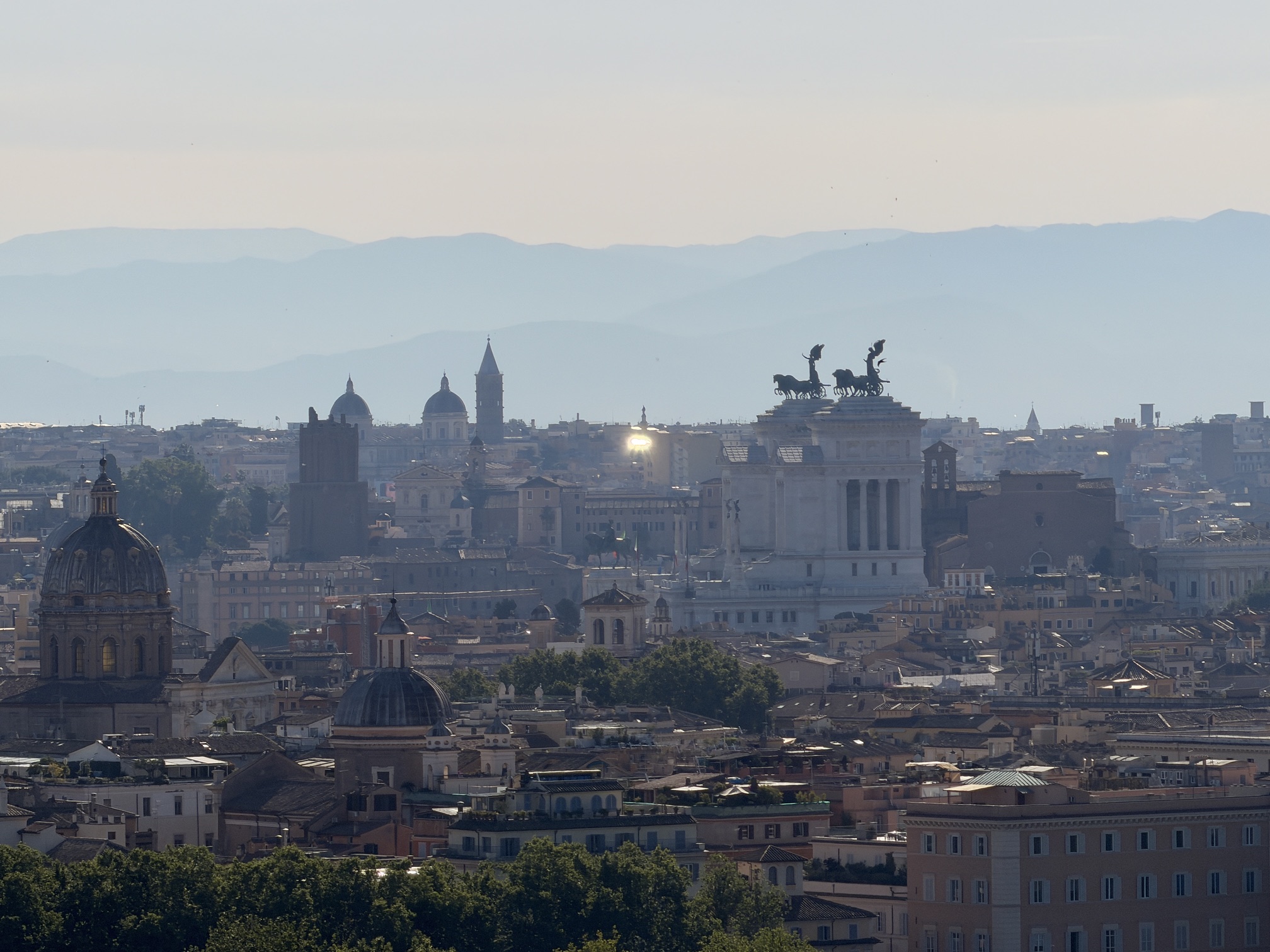
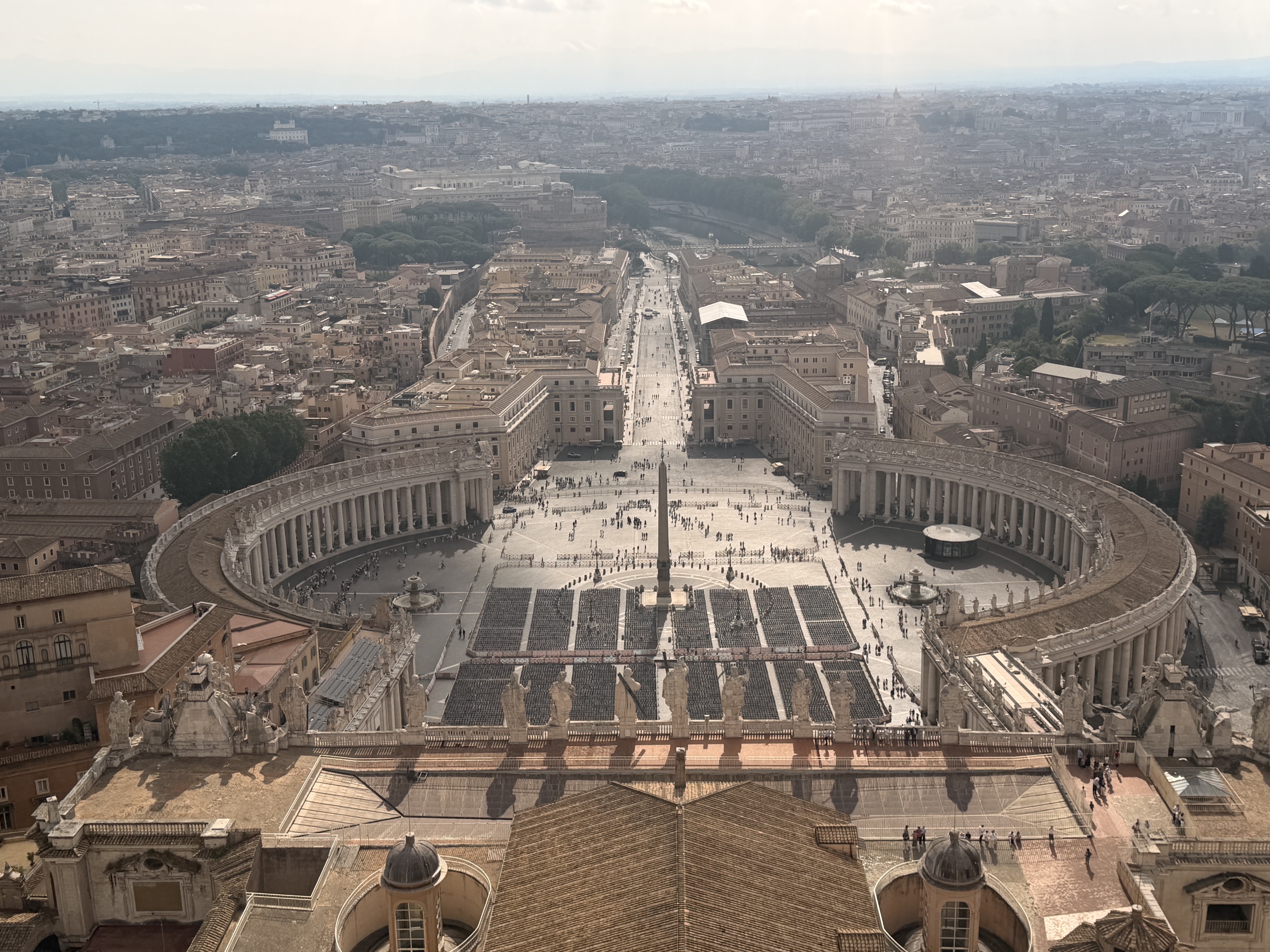
Rome doesn't feel planned. It feels accumulated.
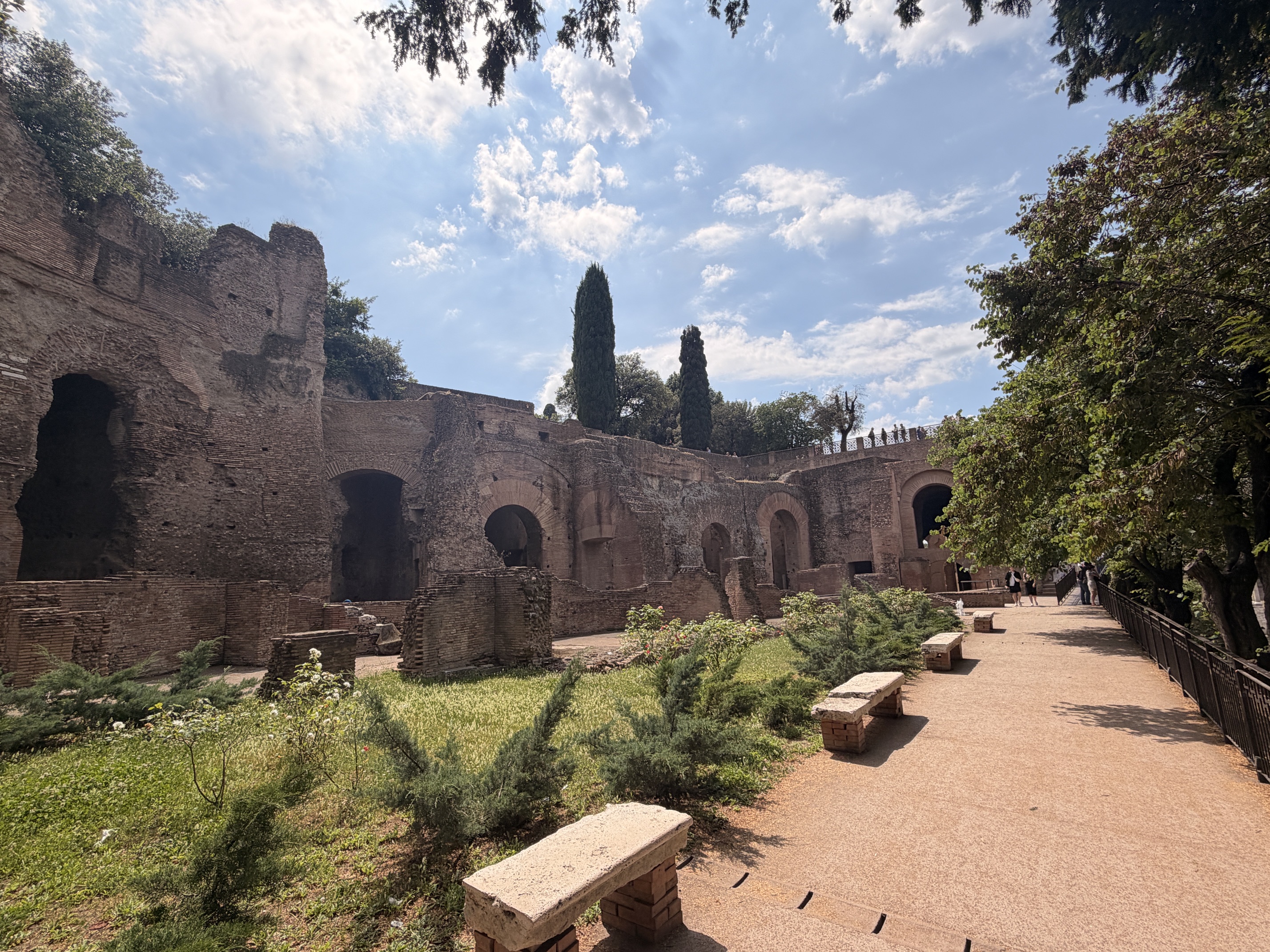
Walking through the city, I found myself noticing less the individual buildings than the countless layers between them. Ancient walls disappear into Renaissance palaces, Baroque churches emerge from medieval streets, and modern cafes spill out onto pavements that have carried people for over two thousand years. Nothing feels particularly self-conscious. The city has simply continued to exist, allowing each generation to leave something behind without entirely replacing what came before.
Perhaps that's why Rome feels so different to many modern cities. London often feels ordered, efficient and constantly looking ahead. Rome seems almost indifferent to perfection. Traffic flows with its own unwritten rules, restaurants spill into squares, washing hangs above narrow streets, and everyday life unfolds against a backdrop that much of the world would consider priceless. Beauty isn't separated from ordinary life; it has simply become part of it.
One idea stayed with me throughout the trip: impermanence. We often imagine historic cities as permanent, yet Rome is really a monument to continual change. Buildings are adapted, repaired, extended and reimagined. Stones are reused. Public spaces evolve. Even the ruins themselves are evidence that permanence is an illusion. What survives is not untouched perfection, but a willingness to build upon what already exists.
As an architect, I found that strangely reassuring. Good architecture doesn't always have to announce itself. Sometimes its greatest success is becoming part of a much longer story, quietly supporting everyday life while leaving room for future generations to add their own chapter.
After thirty-six thousand steps, countless sketches, more than a few exceptional meals and hours spent simply wandering without a destination, I realised that Rome had taught me something I hadn't expected. Architecture isn't only about creating beautiful objects. It's about creating places that are capable of absorbing life, change and time without ever losing their identity.
Perhaps that's why Rome still feels timeless. Not because it has resisted change, but because it has never stopped embracing it.